Blog
How liquid biopsy utilises genetic biomarkers for early diagnosis
The utilisation of genetic biomarkers in liquid biopsy has caused a revolution in cancer diagnostics and personalised medicine.
The utilisation of genetic biomarkers in liquid biopsy has caused a revolution in cancer diagnostics and personalised medicine.
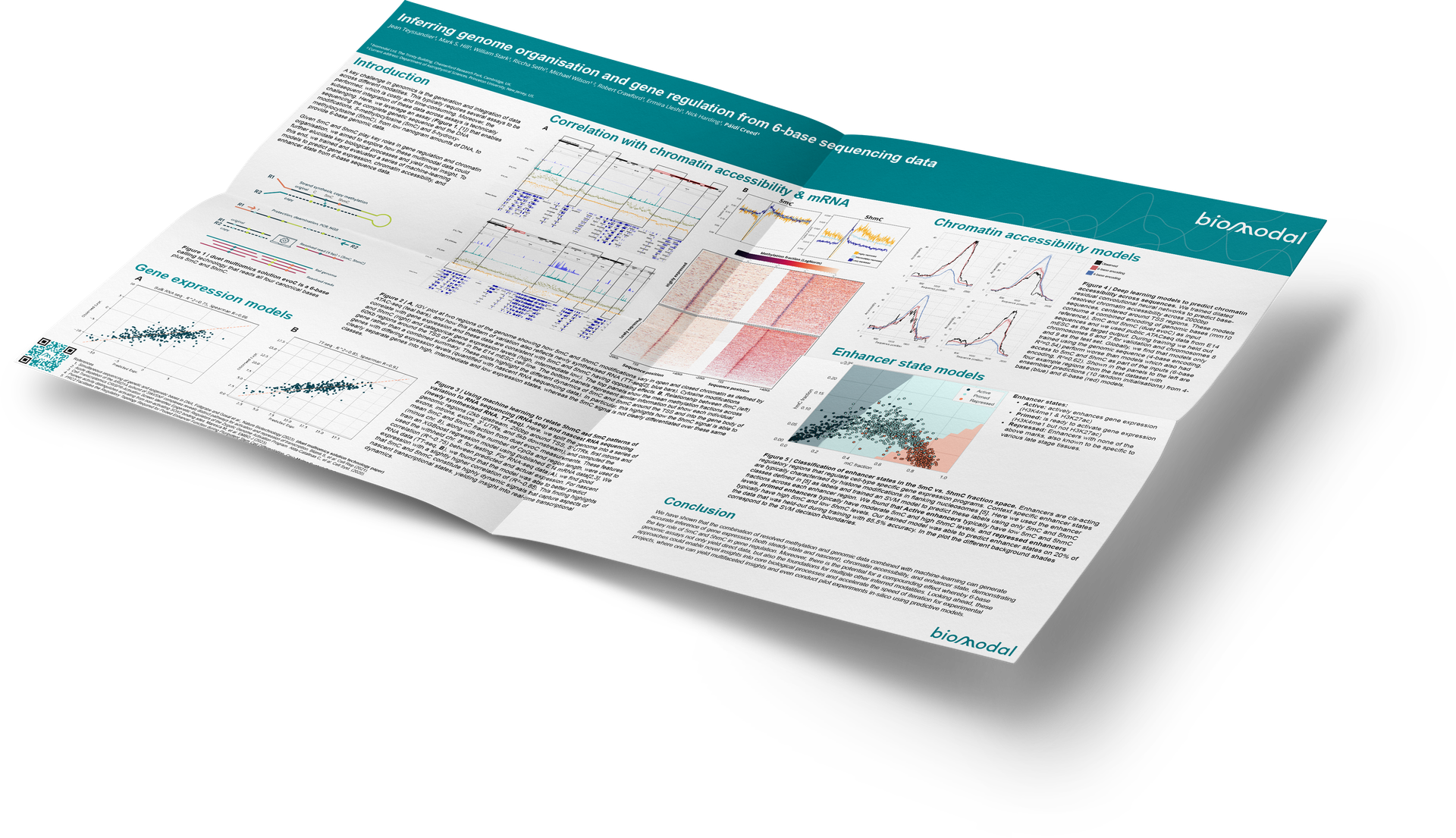
Here we show that the combination of resolved methylation and genomic data combined with machine-learning can generate accurate inference of gene expression (both steady-state and nascent), chromatin accessibility, and enhancer state, demonstrating the key role of 5mC and 5hmC in gene regulation.
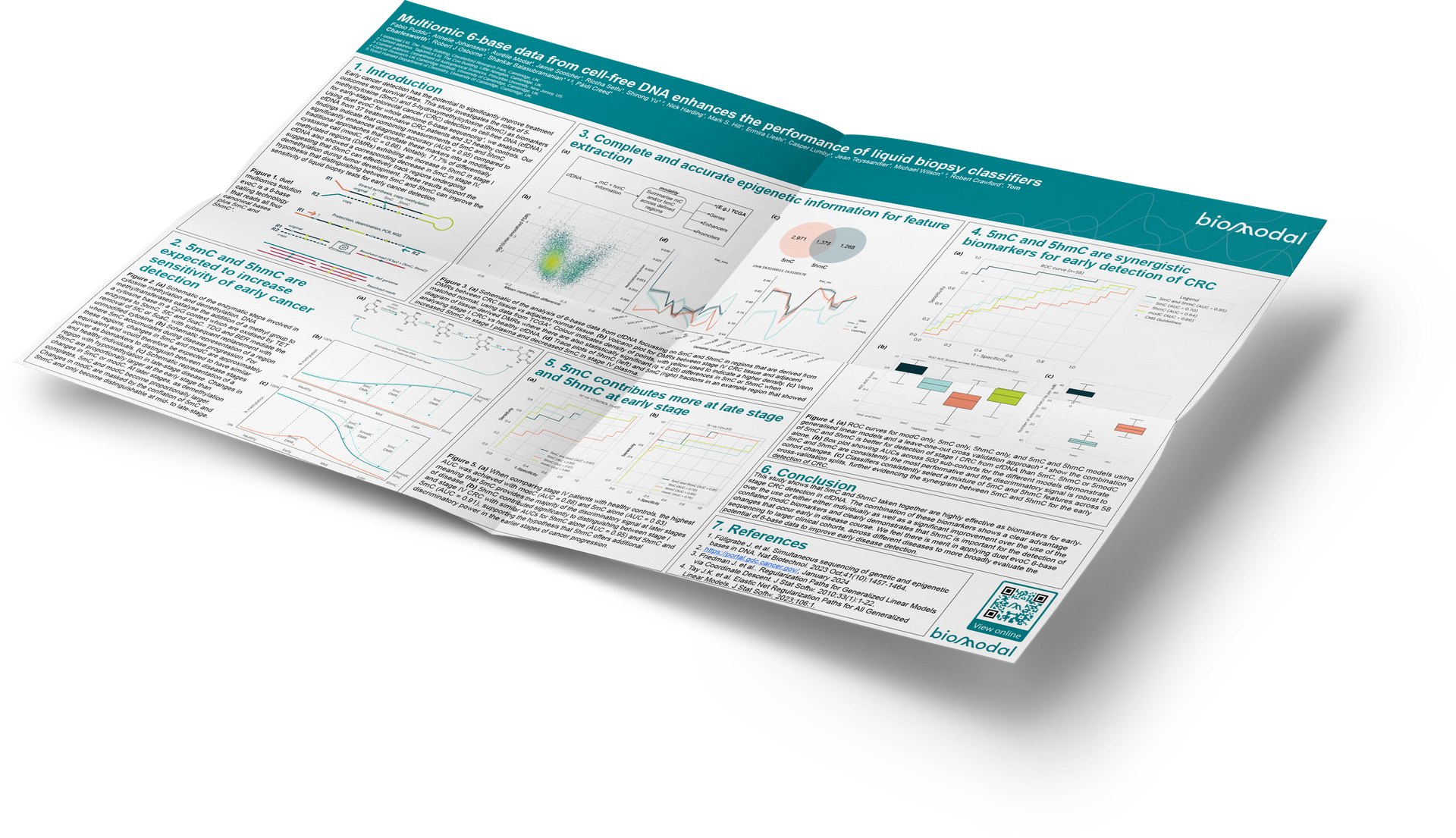
This study shows that 5mC and 5hmC taken together are highly effective as biomarkers for early-stage CRC detection in cfDNA.
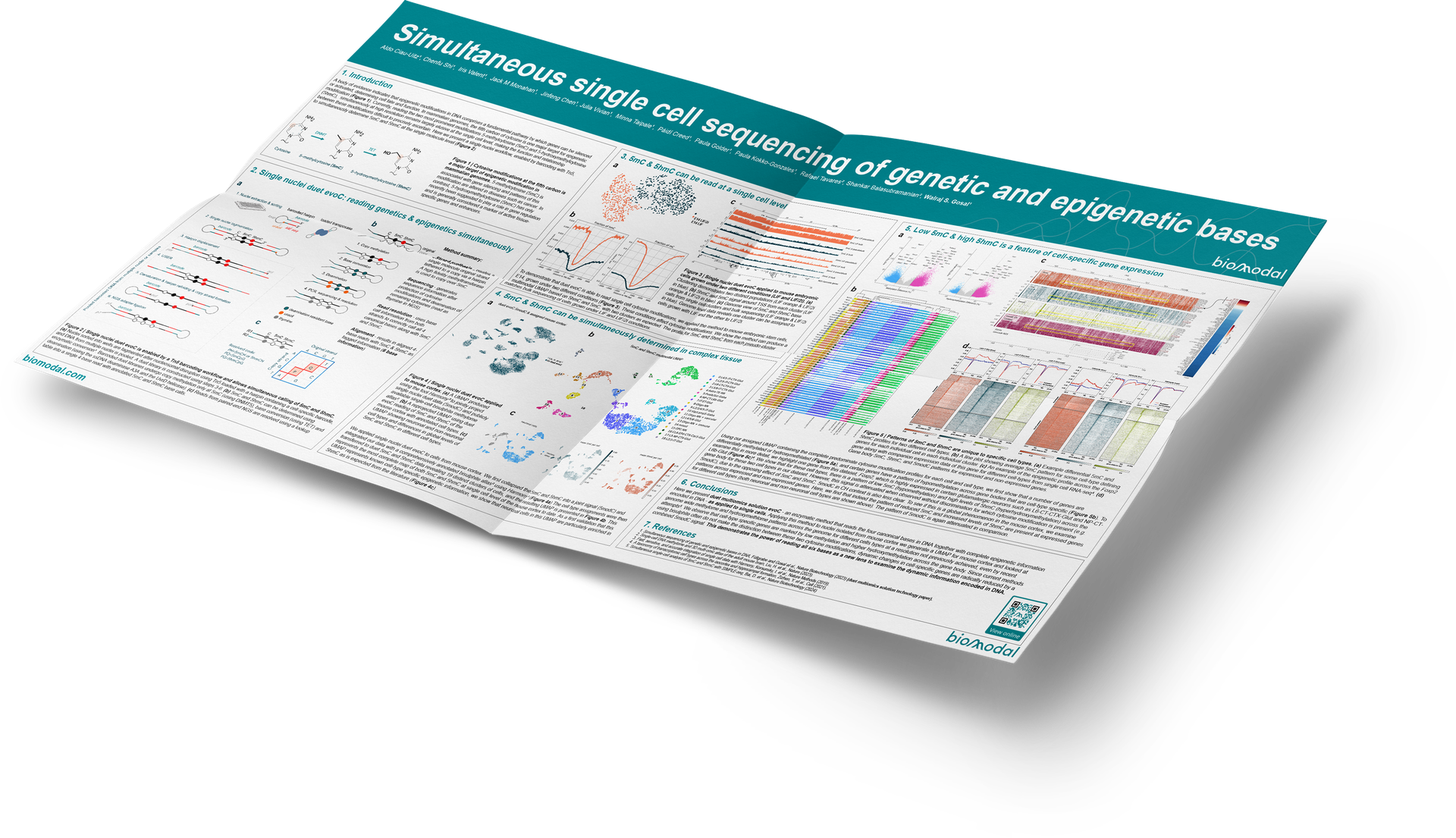
Here we present duet evoC: an enzymatic method that reads the four canonical bases in DNA together with complete epigenetic information encoded in DNA – as applied to single cells.
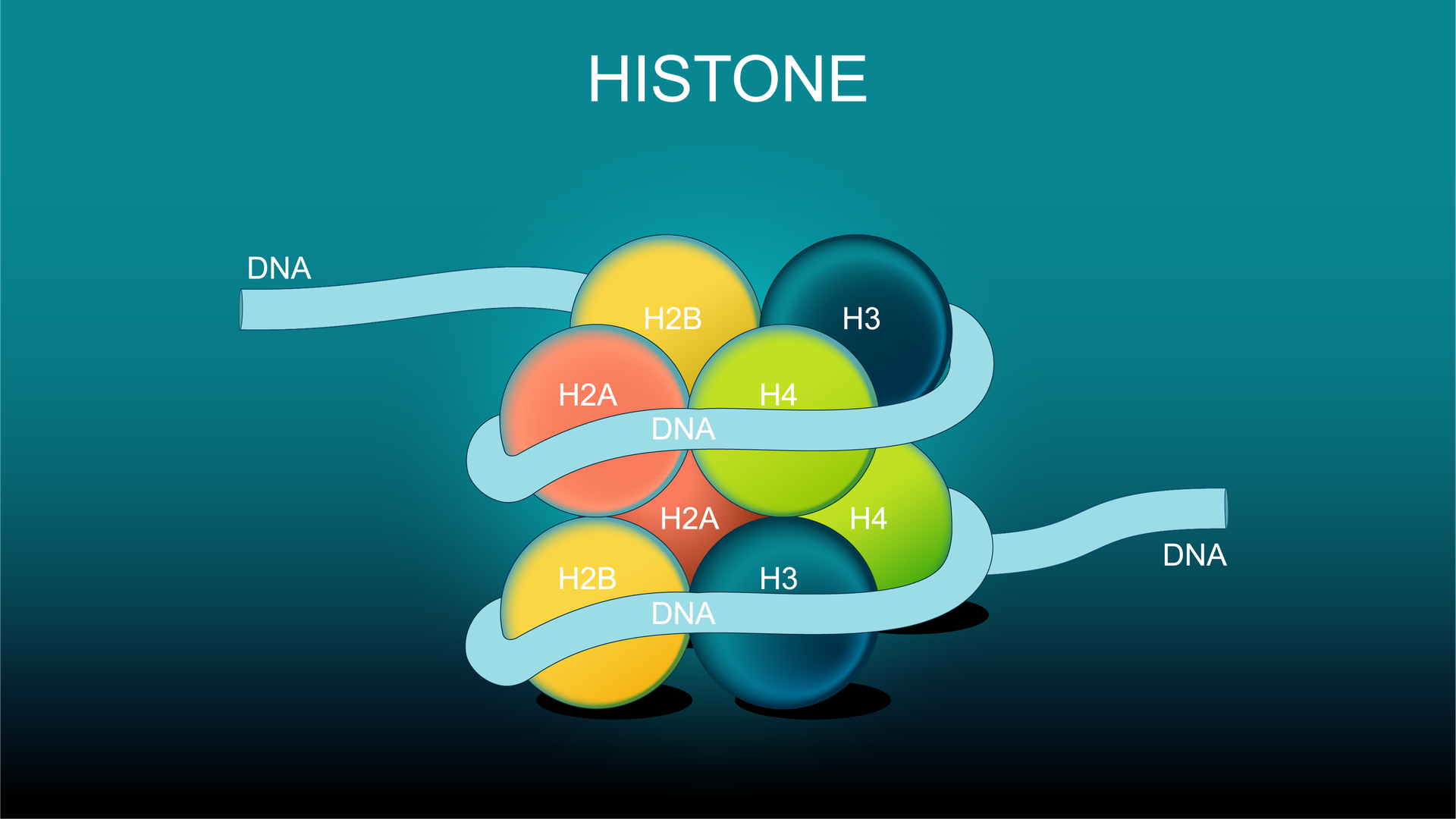
Discover how histone modifications like acetylation and methylation shape chromatin structure, control gene expression, and influence epigenetic regulation.

“Our goal is to provide researchers and liquid biopsy clinical test developers with innovative tools that enable them to reveal previously undetectable biological changes,”

Discover the fascinating world of epigenetics, where our genes are influenced not only by our DNA but also by our environment.
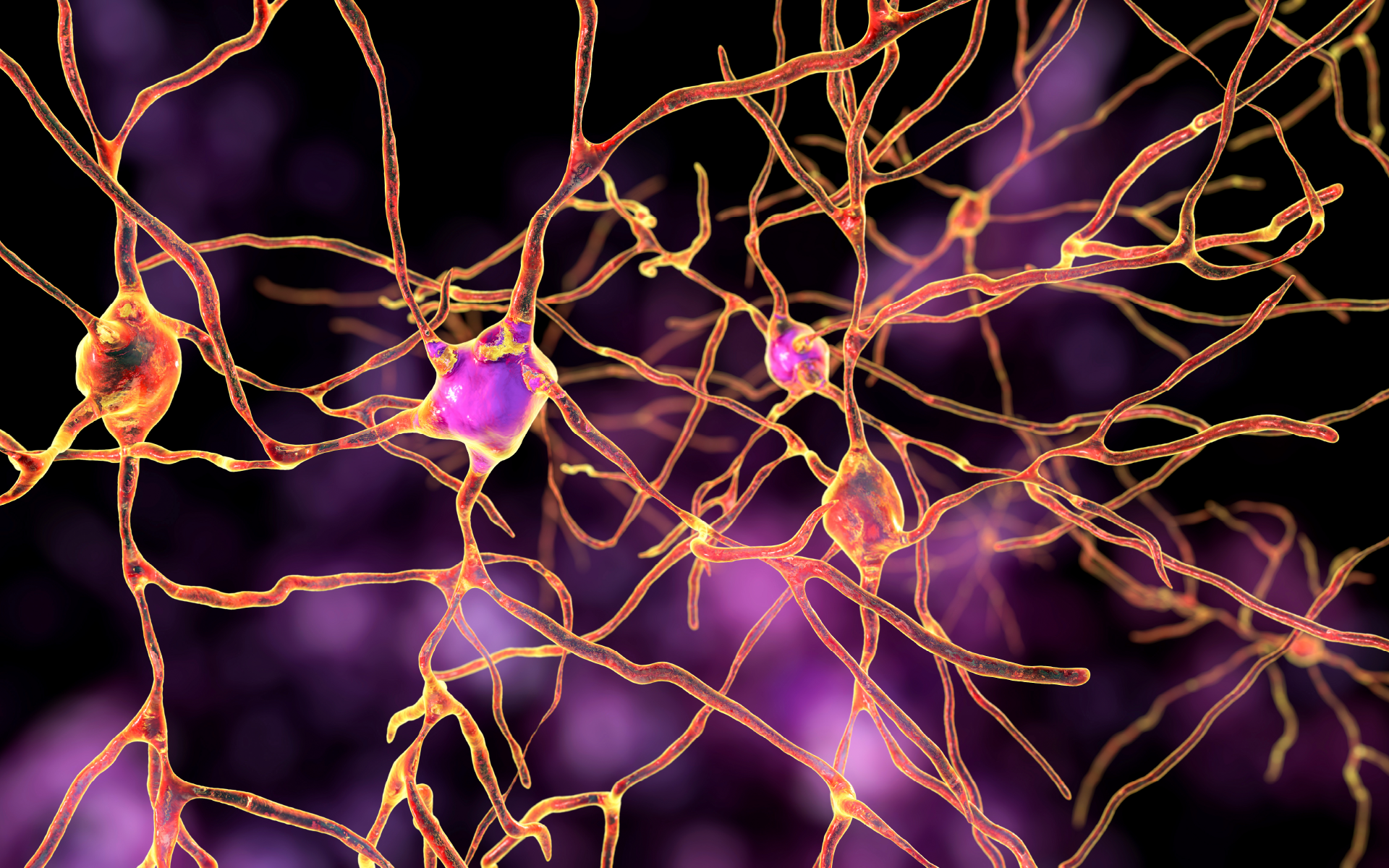
Explore how liquid biopsy works for neurodegenerative disease diagnosis; including advantages over traditional methods and promising biomarkers.
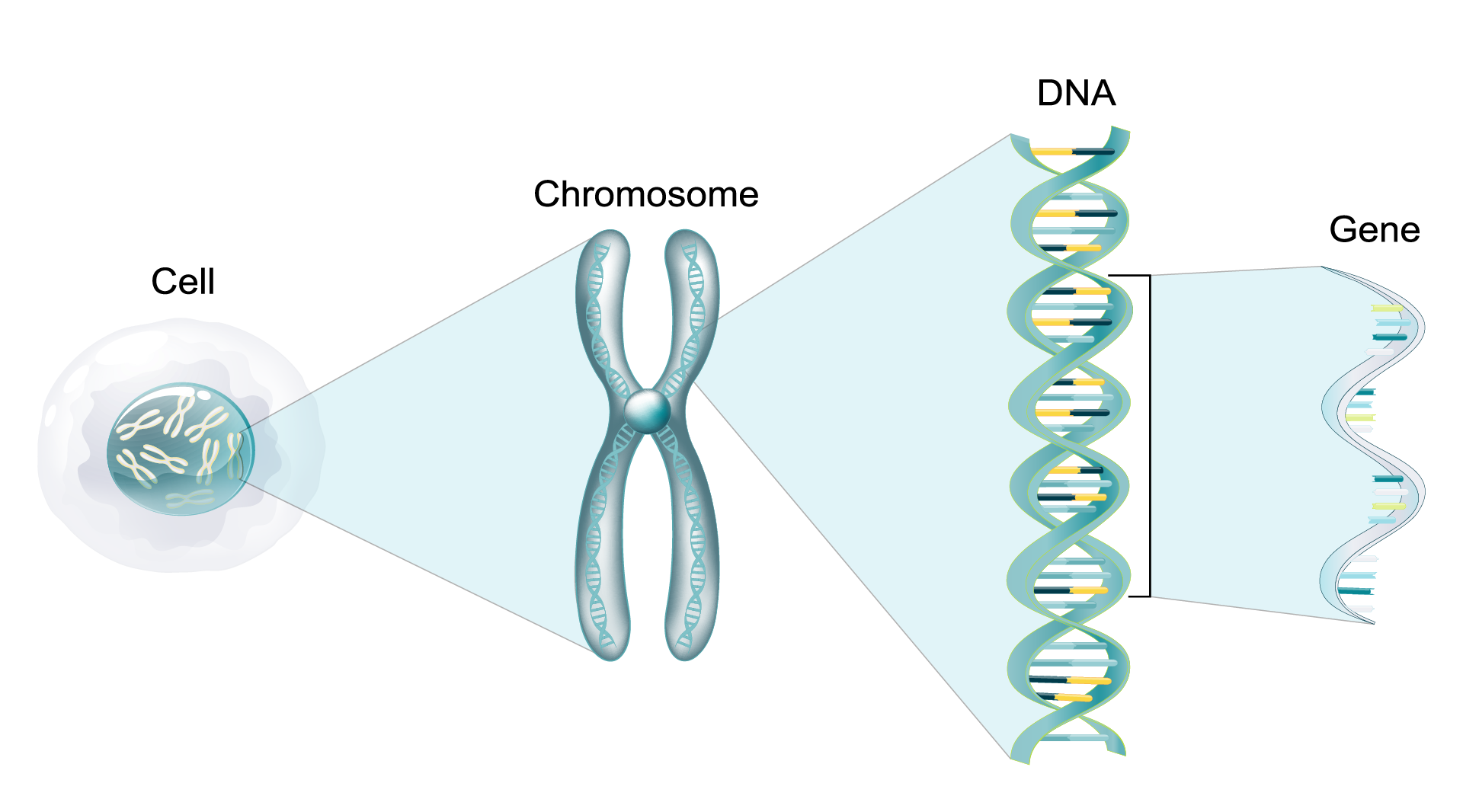
DNA methylation serves as a pivotal epigenetic mechanism that significantly influences gene regulation by recruiting proteins that facilitate gene repression or by hindering transcription factors
The study of genomic DNA (gDNA) has revolutionised the field of genetics, allowing scientists to gain a deeper understanding of how traits are inherited and how genetic variations contribute to disease.