
Blog
What is functional genomics?
Functional genomics is a crucial part of research and development within healthcare because it closes the gap between genetic information and biological function
Functional genomics is a crucial part of research and development within healthcare because it closes the gap between genetic information and biological function
Discover how DNA stores multimodal information through a process known as DNA methylation and its crucial role in gene expression and regulation.
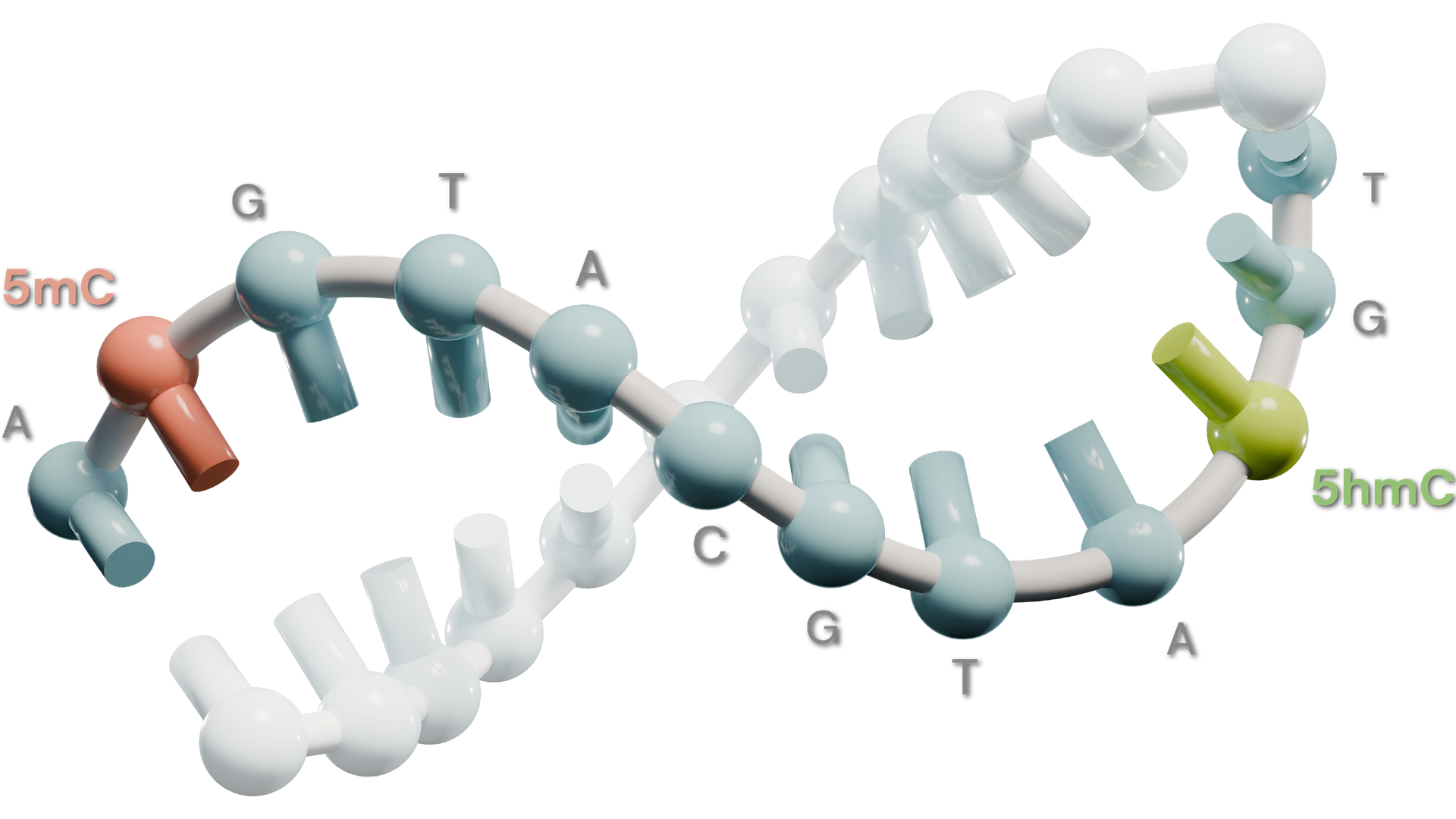
The 6-base genome expands our understanding of genetics by incorporating both genetic & epigenetic data to get a clearer picture of health and disease biology.
By analysing the unique fragmentation patterns of cfDNA, researchers are unlocking new possibilities for early disease detection, including cancer and prenatal testing. This cutting-edge field combines insights from epigenetics and nucleosome positioning to develop sensitive diagnostic tools that could transform healthcare.

5hmC is far more than just a transient step in the DNA demethylation pathway as it has broad implications for gene regulation, cellular differentiation, brain function, genome stability, and disease.
Understanding the factors that affect DNA methylation can open up new avenues to explore human health and disease.
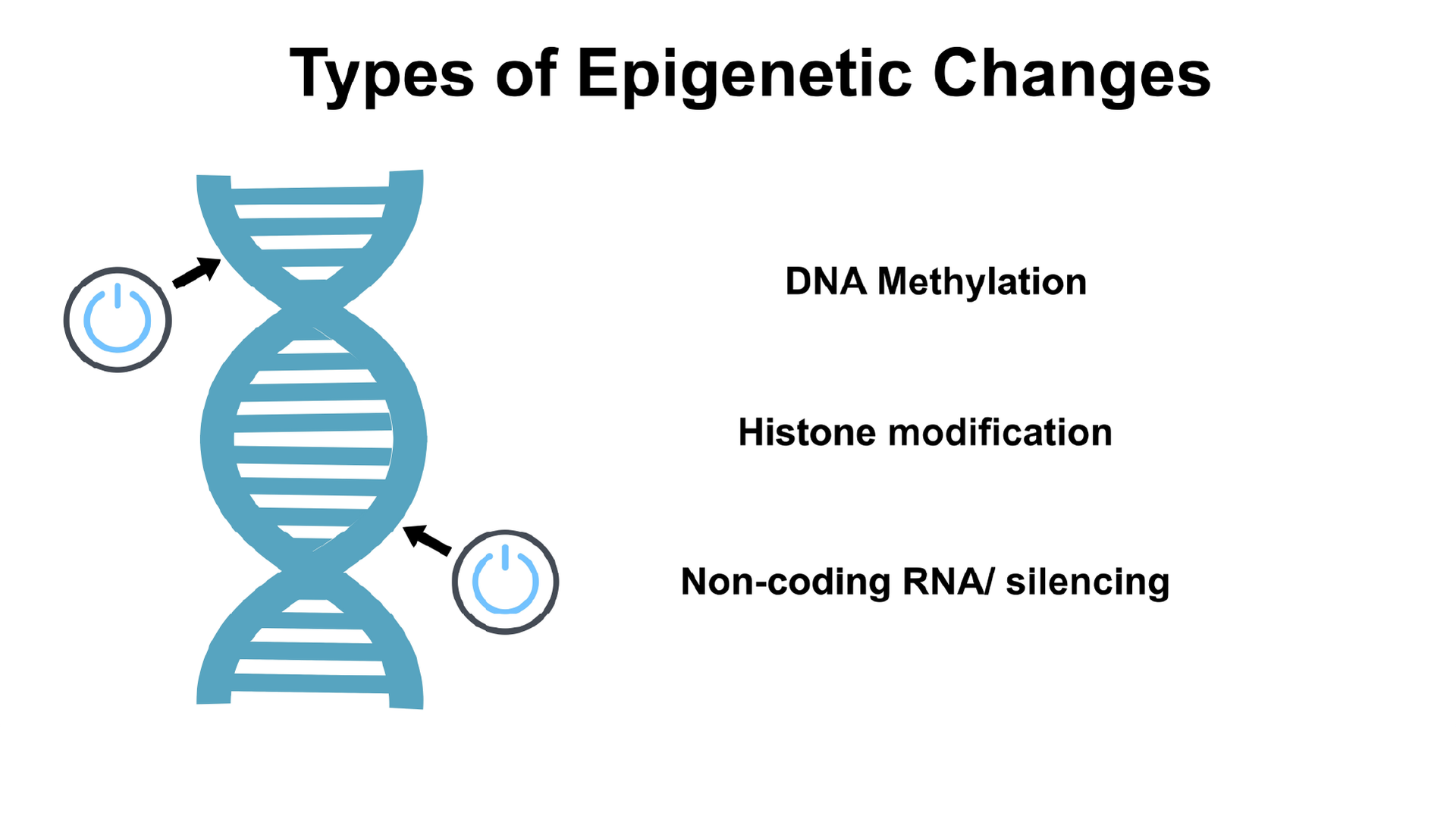
Explore the fascinating world of the different types of epigenetic modifications and the role of epigenetics in gene expression. Learn more.
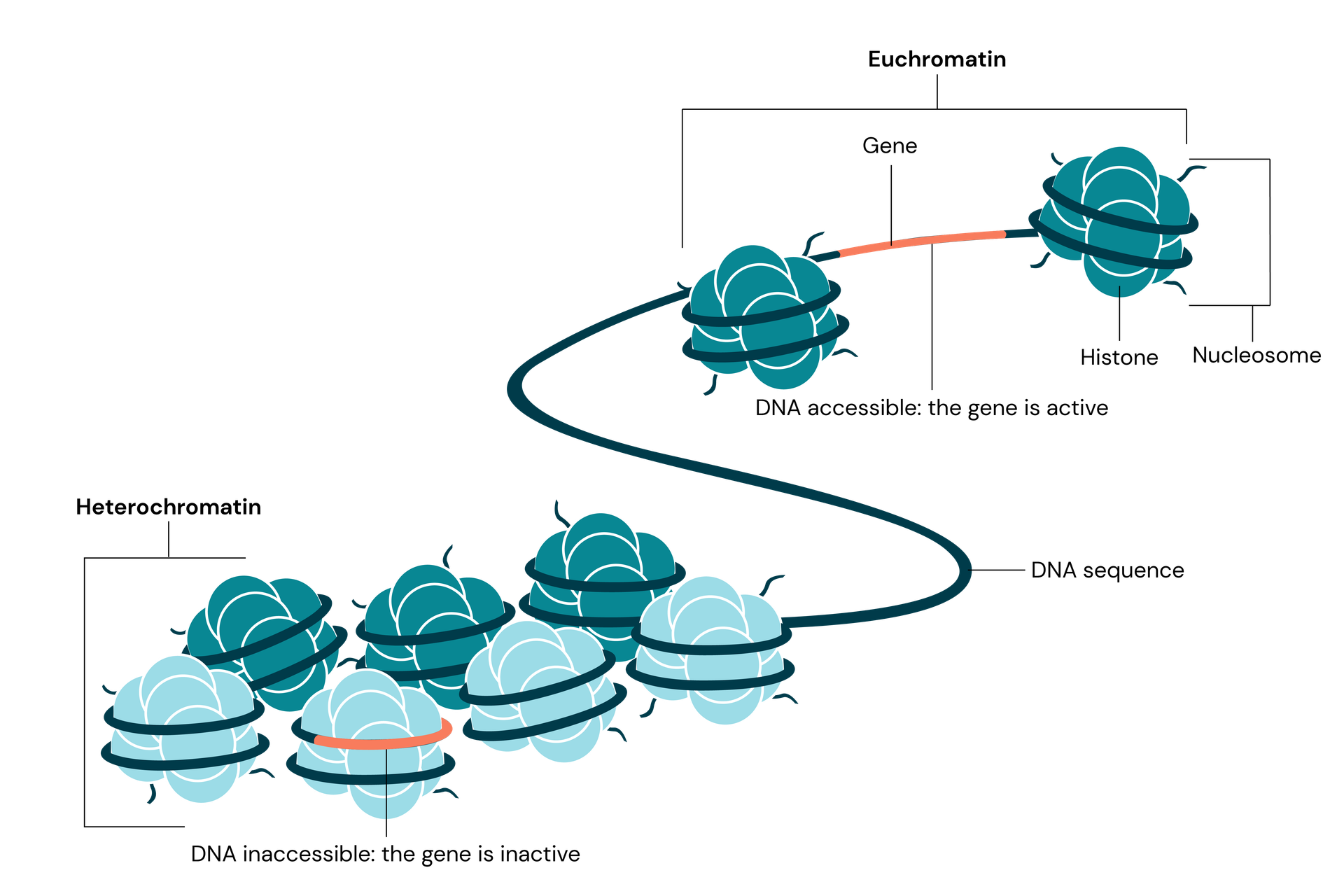
Heterochromatin is a condensed form of chromatin that plays an essential role in maintaining genomic stability. Disruptions in its formation can lead to disease. We explore the mysteries of heterochromatin and its vital role in genome organisation.
Understanding how alterations in CpG island methylation contribute to disease states, including cancer, may provide novel targets for treatment.
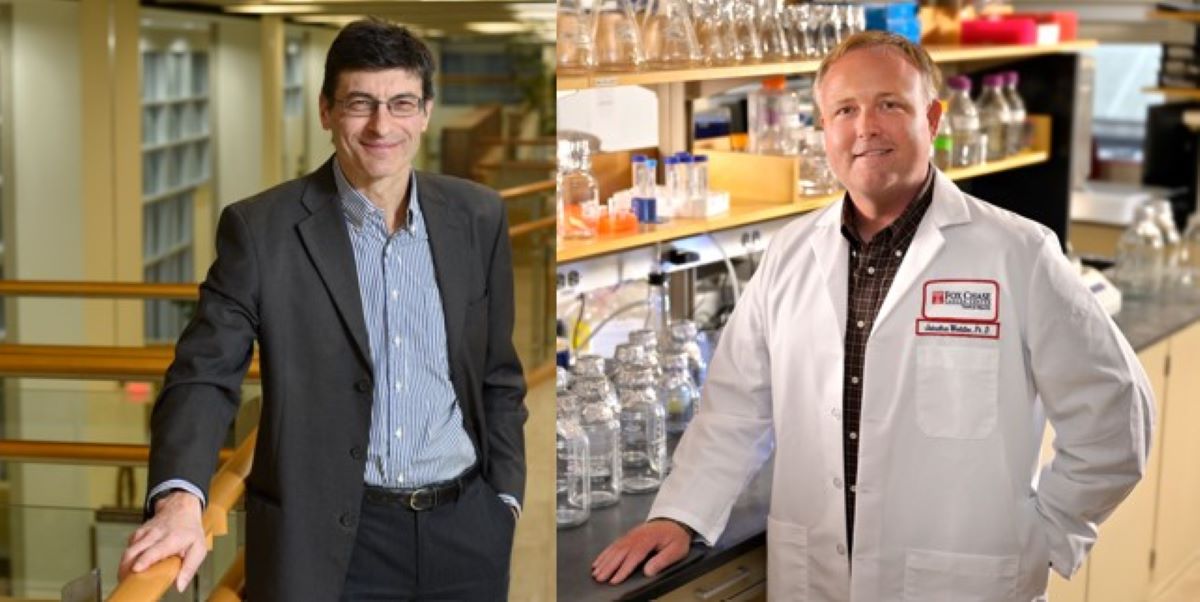
Alfonso Bellacosa, MD, PhD, a Professor in the Nuclear Dynamics and Cancer Research Program and Johnathan R. Whetstine, PhD, the Jack Schultz Chair in Basic Science, both at Fox Chase.