2025 Biomarkers of Aging Conference

Reveal the power of the 6-base genome. Introducing duet multiomics solution evoC.
20 October 2025
to 21 October 2025
The Joseph B. Martin Conference Center, Harvard Medical School
, Boston
, United States of America

Visit biomodal at booth 

About the event

Join biomodal at the premier conference on Biomarkers of Aging for Longevity Interventions.

Anti-aging therapies are nearing the clinic – but without standardized, validated tools to measure aging, progress stalls. Our annual Conference brings together global leaders in geroscience to define and advance reliable biomarkers of aging, essential for evaluating the safety and impact of longevity interventions. The conference aims to bridge the gap between basic scientists, clinicians, regulators, and industry. Providing a platform for discussing new findings and facilitating networking among academic and translational researchers, industry professionals, regulators, and funders.

Presenting at the event

Poster Presentation: 6-base genome reveals the reality of DNA methylation biomarkers of ageing

Mark Consugar

Associate Director of Scientific Affairs

biomodal

Tuesday,October 21, 2025 | Poster # 34

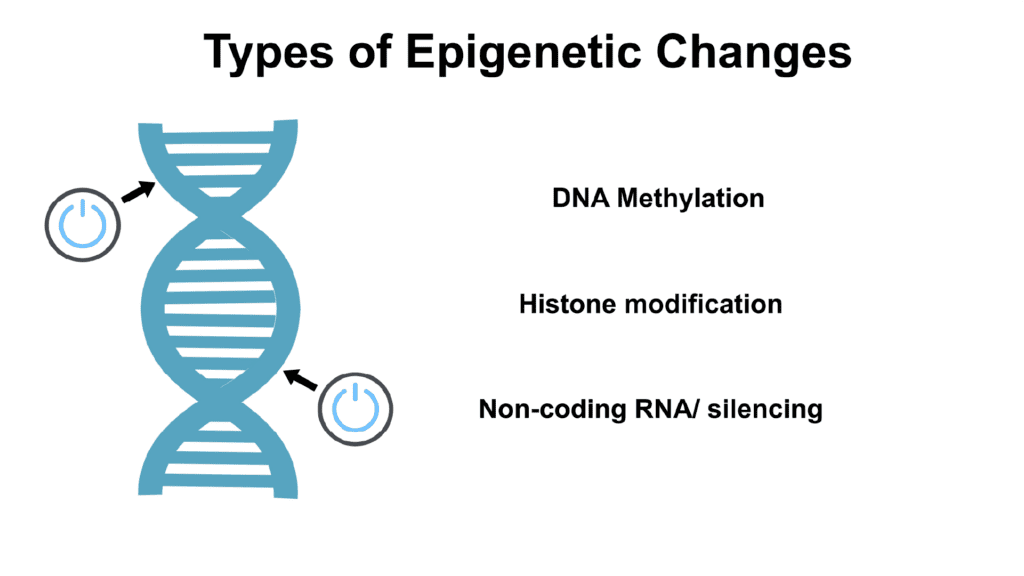
DNA methylation has emerged as an important biomarker in ageing research, offering information to assess biological age  The 6 whilst improving the understanding of underlying mechanisms of ageing. Among the most well-known tools is the Horvath clock1, which leverages methylation patterns at specific CpG sites to estimate biological age with remarkable accuracy. These epigenetic clocks have transformed our understanding of age-related processes and disease risk, yet  they traditionally rely on the detection of modified cytosine using methylation arrays. However, a known limitation of array-based ageing biomarkers is that modified cytosine comprises distinct 5mC and 5hmC methylation states with different functional roles2. 5mC is associated with regions of closed chromatin and reduced gene expression whereas  5hmC has a dynamic role in the activation of gene expression, driving cellular plasticity and determining cell fate.  

Recent advances in epigenomic profiling, particularly the development of the 6-base  sequencing technology duet evoC3, enable the differentiation between 5mC and 5hmC alongside identification of the canonical DNA bases A, C, G & T. Using duet evoC,  we revisit the Horvath clock methylation biomarkers using genomic DNA extracted from tissue samples and cfDNA from donors of various ages. We uncover differential contributions from 5mC and 5hmC, revealing a more nuanced epigenetic ageing landscape than was previously possible.  

Future ageing clocks and biomarkers that incorporate both 5mC and 5hmC promise to improve precision and reveal additional mechanistic insight into ageing, potentially uncovering novel pathways of age-related change and therapeutic intervention. 

Find the venue

One sample. One workflow. One solution.

Here are the relevant biomodal resources for information. Find poster presentation information, case studies, interviews, and more.

Related resources

Attending from biomodal

Mark Consugar

Mark Consugar

Associate Director of Scientific Affairs
Steven Ciaramaglia

Steven Ciaramaglia

US Territory Manager, Northeast

Register now

Meet our team at the event

Biomarkers of Aging 20-21OCT25
219151627506

Stay up to date

Explore recent biomodal news and the events that we’ll be attending in the near future.

What are you looking for?