CEEHRC 11th Annual Canadian Conference on Epigenetics

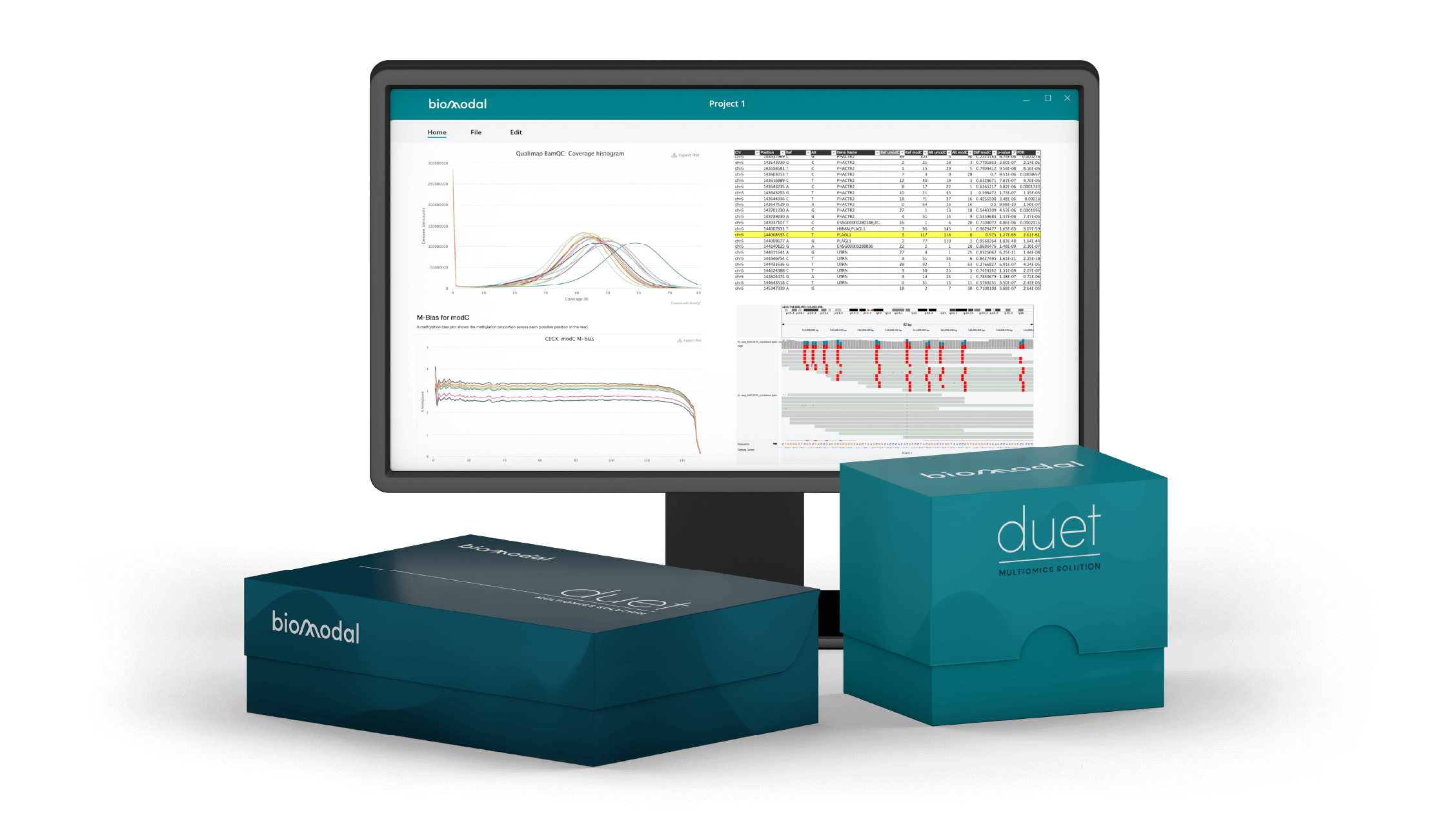
Reveal the power of the 6-base genome. Introducing duet multiomics solution evoC
12 November 2025
to 15 November 2025
Banff Centre for Arts and Creativity
, Banff
, Canada

Visit biomodal at booth 

About the event

The Canadian Epigenetics, Environment and Health Research Consortium (CEEHRC) is pleased to host the 11th Canadian Conference on Epigenetics from November 12 to 15, 2025. The meeting will take place at the Banff Centre for Arts and Creativity in the spectacular Canadian Rockies. This conference is intended to bring together a critical mass of epigenetics researchers, along with key international leaders in the field, to engage in cross-disciplinary dialogue on recent advancements in the field of epigenomics.

This year, we will welcome over 200 national and international epigenetics researchers to share their research and to engage in dialogue on the current state of epigenetics research. Our scientific program includes distinguished invited speakers in the fields of epigenetics and epigenomics covering topics including epigenomic measurements at both the bulk and single cell level, mechanisms of epigenetic regulation, chromatin organization and epigenetic dysfunction in disease. These topics will be covered over 11 sessions that include keynote and plenary lectures and 2 poster sessions. We encourage interaction and networking between epigenetic researchers across career stages while providing a respectful environment that stimulates scientific debate and catalyzes new collaborations.

Presenting at the event

Genetic control drives shared blood-brain epigenetic signals amid widespread tissue-specific DNA methylation and hydroxymethylation profiles

Mandy Meijer

Postdoctoral research fellow

University of British Columbia

andy Meijer, Kristy Dever, Julia MacIsaac, Gustavo Turecki, Michael Steffen Kobor

Epigenetics has been proposed to reflect the gene-environment interplay. The most studied epigenetic mark in human association studies using peripheral blood is DNA methylation (5mC). Given the tissue-specifity of 5mC, it is unclear whether these associations are reflective of 5mC in the brain, an inaccessible tissue in which DNA hydroxymethylation (5hmC) is also prominently present. Leveraging six-base sequencing, we aim to 1) compare 5mC and 5hmC levels between blood and brain throughout the whole genome; 2) assess the genetic effects on both 5mC and 5hmC in blood and brain on the level of allele-specific methylation (ASM) and methylation quantitative trait loci (QTLs), and 3) assess whether these genetic variants in both tissues contribute to the genetic risk for psychiatric disorders. By measuring 5mC, 5hmC, and genetic variants throughout the whole genome with six-base sequencing in matched human blood and brain tissue (n = 12; 9 men, 3 women) with ages across the human lifespan, we compared the epigenetic landscape and its genetic context between tissues. We showed that levels of modified cytosines in CpG context were higher in brain than in blood (75.94% versus 57.41%, p = 4.09*10-16), and hmC modifications were mostly present in regulatory genomic regions. A small proportion of CpG sites – which was lower than previously described – showed blood-brain correlation (2.44% and 0.08% of 5mC and 5hmC, respectively; false discovery rate (FDR) < 0.05). Furthermore, associations between genetic variants and epigenetic patterns were tissue-specific. Only 26.6% methylation quantitative trait loci (mQTLs) were overlapping between tissues. However, epigenetic similarities of 5mC between tissues were largely driven by genetic variation (Kolmogorov-Smirnov D = 0.88 in blood and 0.46 in brain, p < 2.2*10-16). The genetic variants associated with 5mC, but not 5hmC in the brain specifically, were enriched for genetic risk variants for psychiatric disorders, with SNP heritability up to 0.1 (FDR < 0.05). Understanding the similarities and differences of epigenetic patterns across tissues will facilitate the study of brain-related traits in accessible non-invasive peripheral samples in a biological meaningful way.

Find the venue

One sample. One workflow. One solution.

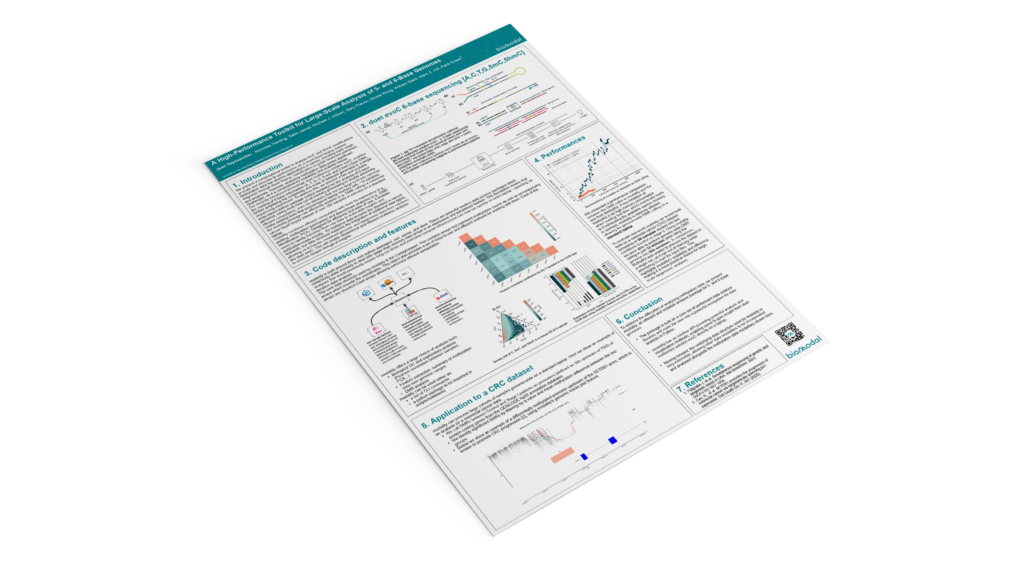
Here are the relevant biomodal resources for information. Find poster presentation information, case studies, interviews, and more.

Related resources

Attending from biomodal

Craig Fishman

Craig Fishman

Regional Head of Sales, North America
Kurt Yardley

Kurt Yardley

Director of Global Marketing
Mark Consugar

Mark Consugar

Associate Director of Scientific Affairs
Steven Ciaramaglia

Steven Ciaramaglia

US Territory Manager, Northeast

Register now

Meet our team at the event

CEEHRC 2025
276257089723

Stay up to date

Explore recent biomodal news and the events that we’ll be attending in the near future.

What are you looking for?